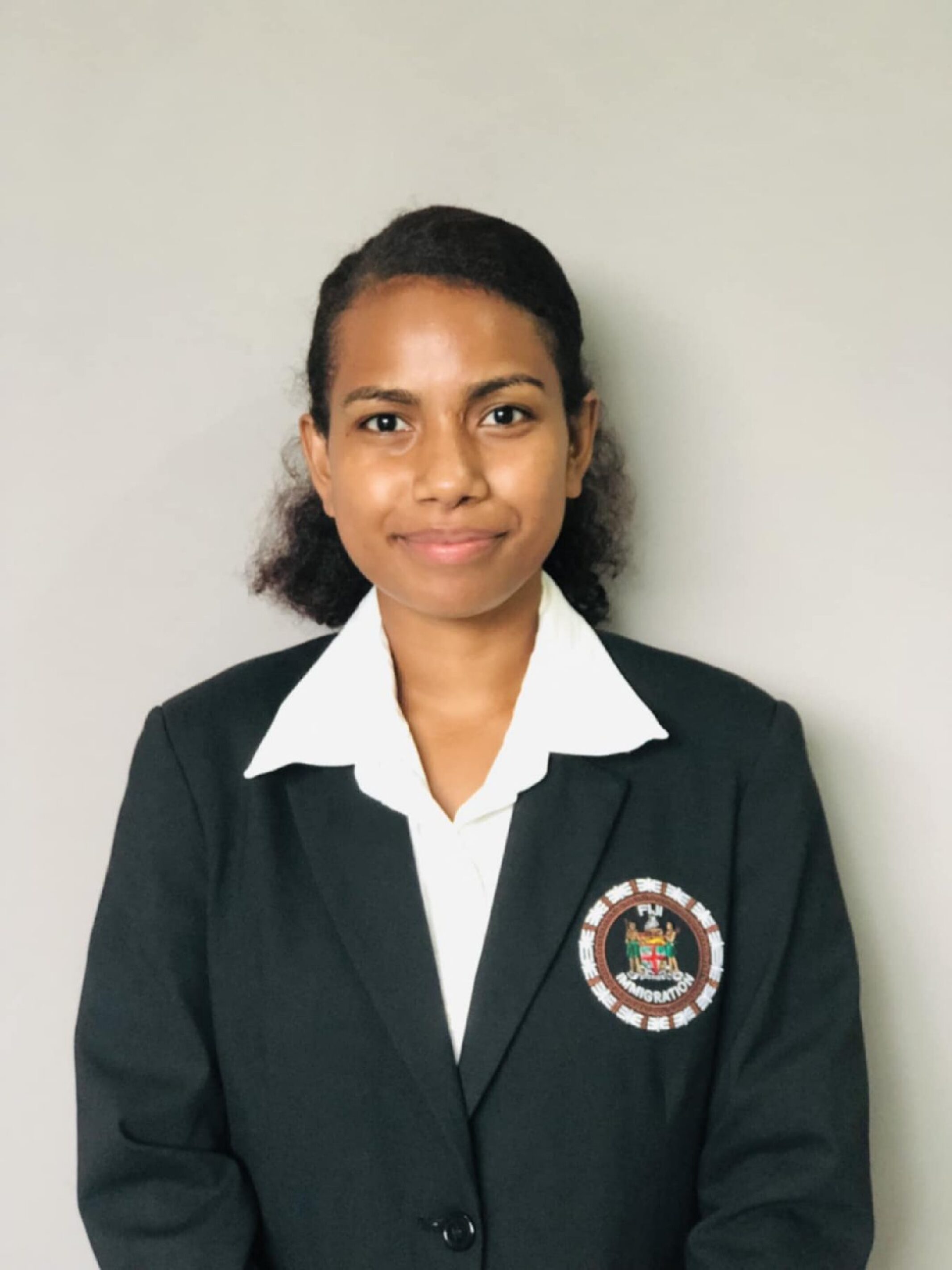
For International Women’s Day, we asked women across the maritime sector three questions about their careers, progress in the industry, and what still needs to change. This is what Ana said.
What do you enjoy most about working in the maritime domain as a woman?
Working in a traditionally male-dominated environment has shaped me in powerful ways — both professionally and personally.
What drives me most is the opportunity to challenge long-standing stereotypes and demonstrate, through action and performance, that women are equally capable, resilient, and effective in maritime border management and enforcement roles. Every task completed, every decision made, and every operation led is proof that competence knows no gender.
I thrive in the dynamic, operational nature of this work — where no two days are ever the same. From vessel clearances to security inspections, each responsibility demands vigilance, adaptability, and courage. It is a career that constantly pushes me to grow, think critically, and lead with confidence.
Most importantly, I take immense pride in serving on the frontline of Fiji’s border protection — safeguarding our nation while facilitating legitimate trade and travel. It is deeply fulfilling to contribute to the security and prosperity of our country.
Above all, I am honoured to stand as a role model for young women — especially those aspiring to careers in enforcement and frontline operations. If my presence helps even one young woman believe she belongs in spaces where women have been underrepresented, then every challenge has been worth it.
What progress have you seen for women in the sector?
In recent years within Fiji Immigration Department, progress has improved in terms of:
- Increased recruitment of women into operational and leadership roles. Women are no longer confined to traditional support functions but are actively contributing at the frontline and at decision-making levels
- More women participating in maritime enforcement training and international workshops. This exposure not only enhances technical competencies but also positions women as key contributors to regional and global border security dialogues
- Greater recognition of the value women brings to border security, risk assessment, and compliances roles. Their contributions continue to strengthen operational effectiveness and public trust
- Policies promoting gender equality and non-discrimination within the public service
What still needs to be done to better support women in the maritime sector?
While progress is visible, further steps could include:
- Strengthening mentorship programs for women in enforcement and maritime operations.
- Expanding leadership development opportunities tailored to women.
- Ensuring adequate facilities and equipment that consider the needs of women in field postings.
- Promoting work-life balance policies, especially for women in rotational or port-based assignments.
- Continued awareness programs to eliminate subtle biases and cultural barriers.
Supporting women is not just about representation — it is about ensuring they are empowered, protected, and positioned to lead.